Hey everyone! I pray that all is well and all will be well in your lives.
Last week we ended with me begging you not to make prayer a chore. That not only goes for prayer and the fundamentals, but everything that you do for God. Whatever you do for God, do it with a willing and cheerful heart. Have you ever asked someone to help you with something and they roll their eyes, sigh, grumble or act completely turned off? When someone shows up like that, you almost want to ask them not to bother. Being in the flesh, there will probably be days when you don’t want to do something. I’m not going to say don’t consecrate yourself when you’re not willing and cheerful, but instead go ahead and start. If you aren’t willing and cheerful, acknowledge that to Him, repent and ask Him to help make it exciting.
Now, while I say “do for God”, you’re really doing these things for yourself. God doesn’t “need” you to pray, fast or read his word; they are not done for His benefit, but yours. In fact, He has done everything that He can, and so much more for our souls to have salvation and access to Him. We shouldn’t have a single hesitation or any negativity when it comes to our consecration. Think about that alone before you sigh or grumble.
So, the next fundamental thing to talk about is reading the word. This isn’t lengthy on my part, because the word “makes its own gravy” so to say; you just have to pick it up and start reading. I’ll give some recommendations as to the order in which to start and translation, but that’s all they are: my personal recommendations.
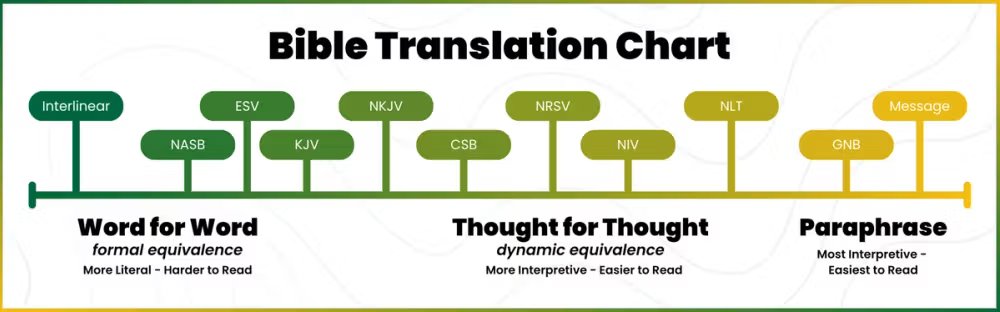
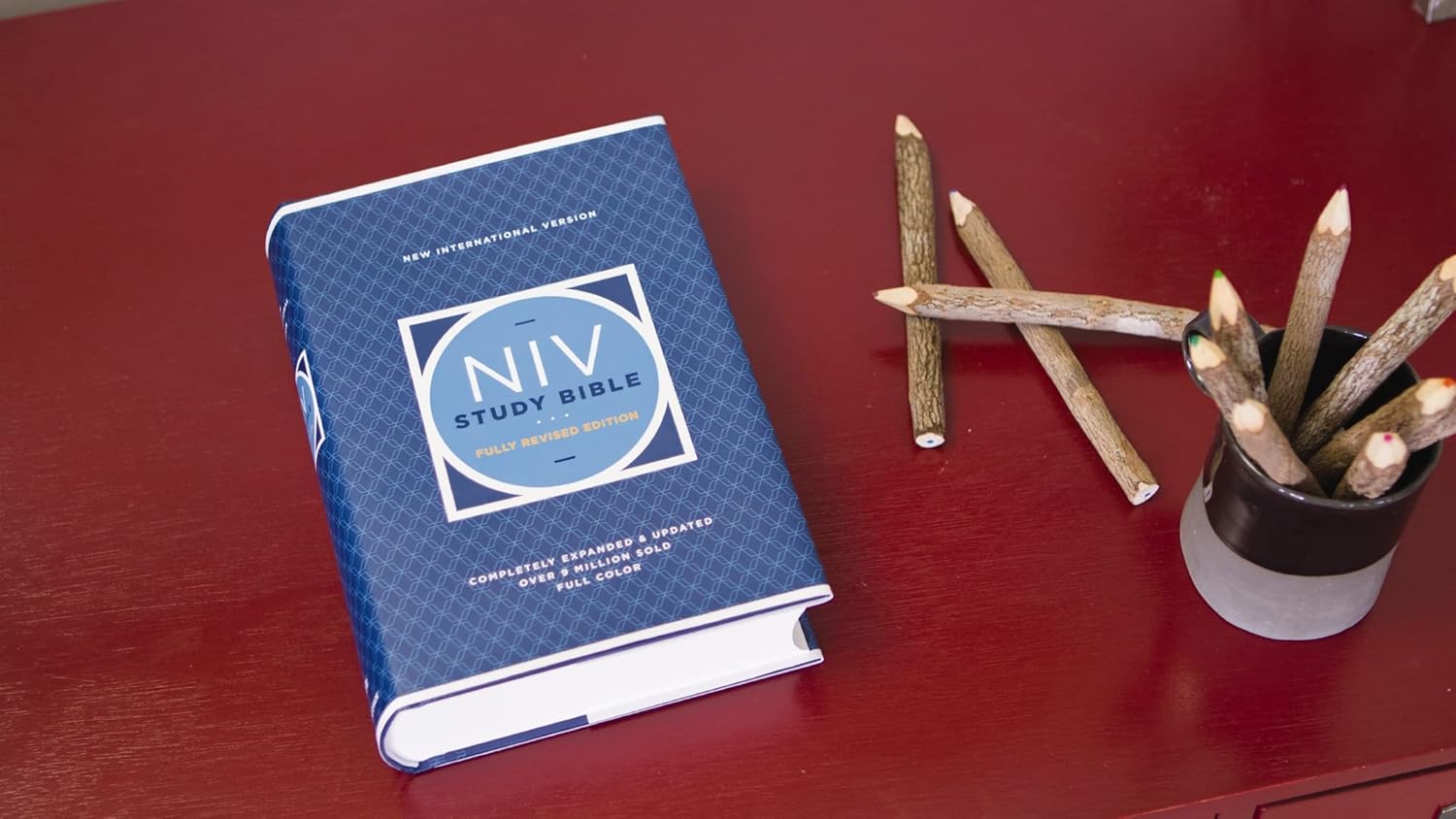
I still use the King James Version (KJV) of the bible from time to time, but the old English is out of date. Language is a living thing; it changes and evolves over time: Some of the words from the 1600’s have a completely different meaning today. So, with English as my primary language, I recommend the New International Version (NIV) translation, and specifically an NIV study bible. The NIV translation was done by a committee who I believe were inspired by God.
The study bible gives footnotes that explain the culture, settings and references. These footnotes are provided by the same committee who did the translation. You can read more about the NIV translation at https://en.wikipedia.org/wiki/New_International_Version and I highly recommend that you do. If English is not your primary language, then please find a translation of the canon version that was done by a committee under inspiration.
If you do not have a physical bible, or even if you do, I highly recommend https://biblehub.com until you can get one. It is a wonderful site with many of the popular English translations, interlinear translation, parallel translations, study guides, searches and more.
As far as the read order for a newcomer, again this is simply my recommendation:
- Matthew, Mark, Luke, John (The four Gospels)
- Acts
- Genesis, Exodus
- Repeat and reread the above books again
- Read the rest of the New Testament up to, but not Revelation
- Read the rest of the Old Testament except for Psalms, Proverbs, Ecclesiastes and Song of Solomon
- Read Daniel again
- Read Matthew 23, 24, 25
- Read Revelation
- Psalms, Proverbs, Ecclesiastes and Song of Solomon can and should be read at any time just on their own. They are deep though and are best absorbed if you read a bit and then meditate on that particular piece, whereas the other books generally have a flowing story which you can keep on reading.
The goal here is to get you started with the basics of Christ’s teachings (be His follower) and introduction to God’s character, not become a bible scholar.
I believe the most important thing when it comes to primary and secondary education is reading comprehension. That’s saying a lot from someone who is a math nerd 🙂 I love math and all the difficulty behind it, but in order to become good at it, I first had to read books and understand what was being said in congruence with previously learned concepts. It’s the same way with the bible, but please don’t think of it as complex or difficult; just that as you read, keep in mind the context, setting and congruency (all works together).
Last and the most important thing to know about the holy bible is that there is only one author: The Holy Spirit. He is the same person who hovered over the waters in the book of Genesis, and He is the same one who inspired and gave people what to write in His entire book (it is all ONE book). As such, every time you read or study the word of God, ask Him to help you in understanding what you’re reading. This is not only so that you know what the word says, but have an understanding of God’s will and character. Do not get involved with other people’s opinions, ideologies, etc. that stray from His will, and that includes your own. Jesus and the apostles warned us many times about false prophets and teachers, so know the word of God for yourself! And, if anyone, including myself, says something different from the bible, know that the word of God is true and has absolute authority.
May God bless and keep all who read this.
May God bless and keep all brothers and sisters, new and old, in the faith in his name.
With his love and mine,
Chrom